
Why are my brakes squealing? Answers from Des Moines' best auto repair
You hear it every time you slow down, and you wonder how many stops you have left.
You're right to take it seriously. Squealing is often the wear indicator, and grinding means the pads are gone and metal is hitting metal.
Not safe to drive if you notice
- Grinding when you brake
- Soft or sinking brake pedal
- Pulls hard when braking
Visit the shop
- 5875 Fleur Drive, Des Moines, IA 50321
- Monday – Friday: 7:30 AM – 5:00 PM
- 515-745-0934
Is it safe to drive when experiencing squealing or grinding brakes?
Usually yes. A squeal is a heads-up to book a visit soon. Grinding, a pedal that sinks, or a car that pulls hard when braking means you should get it inspected right away.
Usually safe to drive
- A high squeal that comes and goes when you brake.
- A squeak only on the first few stops on damp mornings.
- The pedal feels firm and the car stops straight.
- No brake warning light is on.
Not safe to drive
- You hear grinding or metal scraping when you brake.
- The brake pedal feels soft or sinks toward the floor.
- The car pulls hard to one side when braking.
- The brake warning light is on.
- You see fluid near a wheel or smell burning after stops.
Not safe to drive? Stop and call us now.
Pull over somewhere safe and call Joey's Auto Shop at 515-745-0934. We'll help you figure out your next step.
Why brakes squeal or grind
The sound points to the cause: a squeal is often a wear warning, and a grind means metal is touching metal.
Worn brake pads
Many pads have a small metal tab that squeals when the pad gets thin. Grinding can mean the pad material is gone.
You need Brake Pad ReplacementWorn or warped rotors
Worn rotors can grind and also cause a pulsing pedal.
You need Brake RotorsSticking caliper
A caliper that sticks keeps a pad dragging against the rotor.
You need Brake CalipersOld brake fluid
Old or contaminated brake fluid can make the pedal feel soft.
You need Brake Fluid ServiceWorn rear drum brakes
On vehicles that use them, worn rear drum brakes can make noise and weaken stopping.
You need Drum Brakes
What you can check first
A few things you can notice before your visit:
Note whether the sound is a high squeal or a low grind.
Notice whether it happens on every stop or only damp mornings.
Check whether the pedal feels firm, soft, or pulsing.
Notice whether the car pulls to one side when braking.
Look for a brake warning light on the dash.
Ready for quiet, confident stops again?
Call Joey's Auto Shop, a Des Moines People's Choice Winner 2022 through 2026, or make an appointment and tell us what's going on.
We find the cause, not only the symptom
The fix can be new pads, or pads and rotors if the wear went too far. The shop tests first, so you only replace what is worn.
- Step 1
We test
The shop measures pad thickness, checks rotors, calipers, hoses, and fluid, and road tests the vehicle.
- Step 2
We show you
You get a digital inspection with photos and notes in plain language, so you see what we see.
- Step 3
You decide
Nothing starts until you approve it, and we confirm the fix before you pick up your car.
Squealing or grinding brakes questions
Straight answers to what drivers ask us most.
See all questionsWhat does a high-pitched brake squeal mean?
Many brake pads have a small metal tab built in as a wear indicator. When the pad gets thin, the tab touches the rotor and squeals. It is a reminder to schedule service, not an emergency. Booking a visit soon usually keeps the job to new pads before the wear reaches the rotors.
What does grinding brakes mean?
Grinding usually means the pad material is gone and metal is scraping the rotor. That wears the rotor fast and makes stopping less reliable. Get it inspected right away. Waiting turns a pad replacement into a pads and rotors job, and at its worst it can damage the caliper too.
Why do my brakes squeak on damp mornings?
A squeak only on the first few stops on a damp morning is often light surface rust on the rotors. It forms overnight from moisture and wipes off after a few stops. That is normal. If the squeak keeps happening after the brakes warm up, or happens on dry days too, have it checked.
Why does my brake pedal feel soft?
A soft or spongy pedal can come from old or contaminated brake fluid, which absorbs moisture over time. It can also mean air in the lines or a fluid leak. A pedal that sinks toward the floor is a sign to stop driving and get it inspected right away, because it affects how well the car can stop.
Other symptoms we can help with
See All Symptoms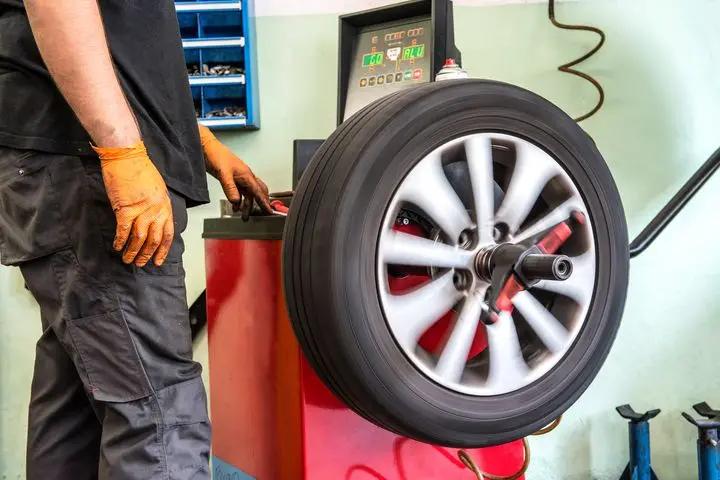
Car Shakes or Vibrates
A shake in the steering wheel, seat, or brake pedal can come from your tires, brakes, suspension, or engine.
Learn More
Car Pulls to One Side
If you have to hold the wheel to keep the car straight, or it pulls when braking, something is out of line.
Learn More
Noisy brakes?Let's get them quiet and strong.
Make an appointment and tell us what's going on. We explain your options before any work begins.