
Why is my check engine light on? Answers from Des Moines' best auto repair
The light just came on, and now you're listening to every sound the car makes.
You're right to get it checked. The light can mean anything from a loose gas cap to a misfire, and a flashing light means stop driving.
Not safe to drive if you notice
- Flashing check engine light
- Engine shaking or losing power
- Fuel or burning smell
Visit the shop
- 5875 Fleur Drive, Des Moines, IA 50321
- Monday – Friday: 7:30 AM – 5:00 PM
- 515-745-0934
Is it safe to drive when experiencing check engine light?
Usually yes. A steady light with a car that drives normally can usually wait for a visit soon. A flashing light means a misfire that can damage the catalytic converter, so get it looked at as soon as you can.
Usually safe to drive
- The light is steady and the car drives the same as before.
- The light came on right after you filled up with gas.
- No other warning lights are on.
- There is no new noise, smell, or shaking.
Not safe to drive
- The check engine light is flashing.
- The engine shakes, loses power, or stalls.
- The temperature gauge is high or the oil light is on.
- You smell fuel, burning, or a strong rotten egg odor.
Not safe to drive? Stop and call us now.
Pull over somewhere safe and call Joey's Auto Shop at 515-745-0934. We'll help you figure out your next step.
Why the check engine light comes on
The light can come on for anything from a loose gas cap to a misfire, so the code is only the starting point.
Loose or worn gas cap
A gas cap that is loose or worn lets fuel vapor escape and can turn the light on.
You need Check Engine LightFailing oxygen sensor
A bad oxygen sensor can hurt fuel economy over time.
You need O2 Sensor ReplacementWorn spark plugs
Worn plugs cause misfires that set a code and can make the engine run rough.
You need Spark PlugsBad ignition coil
A failing coil cannot fire its plug, which causes a misfire.
You need Ignition Coil ReplacementMass airflow sensor
A dirty or failing mass airflow sensor throws off the air and fuel mix.
You need Mass Airflow SensorCatalytic converter or emissions
A failing catalytic converter or another emissions fault can set the light.
You need Catalytic Converter Repair
What you can check first
A few things you can check before your visit:
Note whether the light is steady or flashing.
Make sure the gas cap is on and clicked tight.
Notice any rough idle, power loss, or worse gas mileage.
Check whether any other warning lights are on.
Note when the light first came on and what you were doing.
Ready for a clear dash again?
Call Joey's Auto Shop, a Des Moines People's Choice Winner 2022 through 2026, or make an appointment and tell us what's going on.
We find the cause, not only the symptom
The fix can be as small as a gas cap or as big as a catalytic converter. The shop reads the codes and then tests the system that set them before replacing anything.
- Step 1
We test
The shop reads the stored codes, then tests the system that reported the fault to find the failed part.
- Step 2
We show you
You get a digital inspection with photos and notes in plain language, so you see what we see.
- Step 3
You decide
Nothing starts until you approve it, and we confirm the fix before you pick up your car.
Can a loose gas cap turn on the check engine light?
Yes. The fuel system is sealed to keep fuel vapor from escaping, and the engine computer checks that seal. A loose, cracked or missing gas cap can register as a leak and turn on the check engine light. Tightening the cap may clear it after some driving, but if the light stays on, have the code read.
What is the difference between a steady and a flashing light?
A steady light means the computer detected a problem that should be checked soon. A flashing light usually means the engine is misfiring badly enough to damage the catalytic converter. If the light flashes, back off the gas, avoid hard acceleration, and get the car looked at as soon as you can.
Why isn't the code enough to know what is wrong?
A code tells you which system reported a problem, not which part failed. A misfire code, for example, can come from a spark plug, an ignition coil, a fuel injector, or a vacuum leak. Replacing parts from the code alone often wastes money. Testing the system that set the code finds the actual failed part.
Can I keep driving with the check engine light on?
If the light is steady and the car drives the same as before, you can usually drive it to a visit soon. Waiting a long time can let a small problem, like a worn sensor, turn into a bigger one. If the light flashes, or the engine shakes, loses power, or stalls, stop driving hard and get it looked at right away.
Other symptoms we can help with
See All Symptoms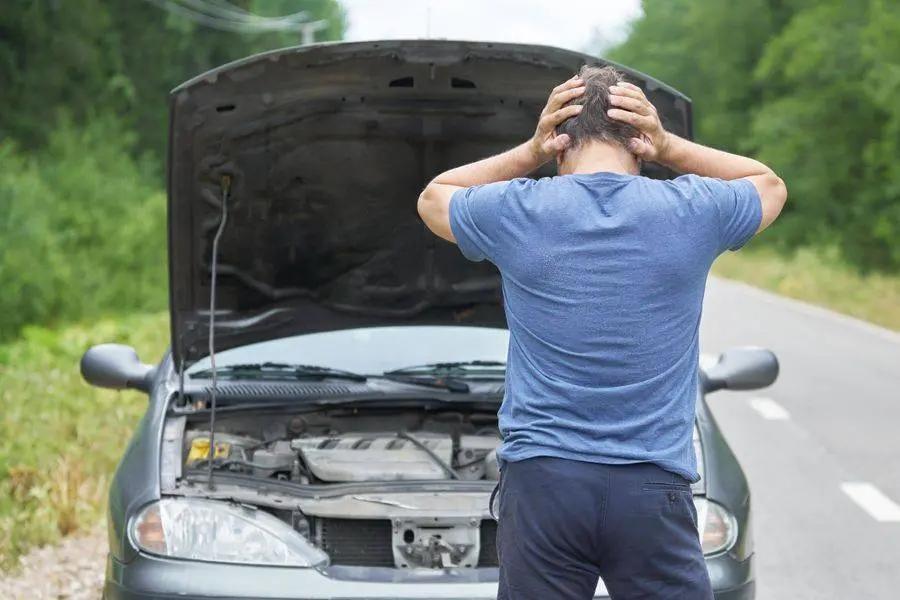
Rough Idle or Stalling
A shaky idle, hesitation when you press the gas, or an engine that dies at stops usually traces back to fuel, air, or spark.
Learn More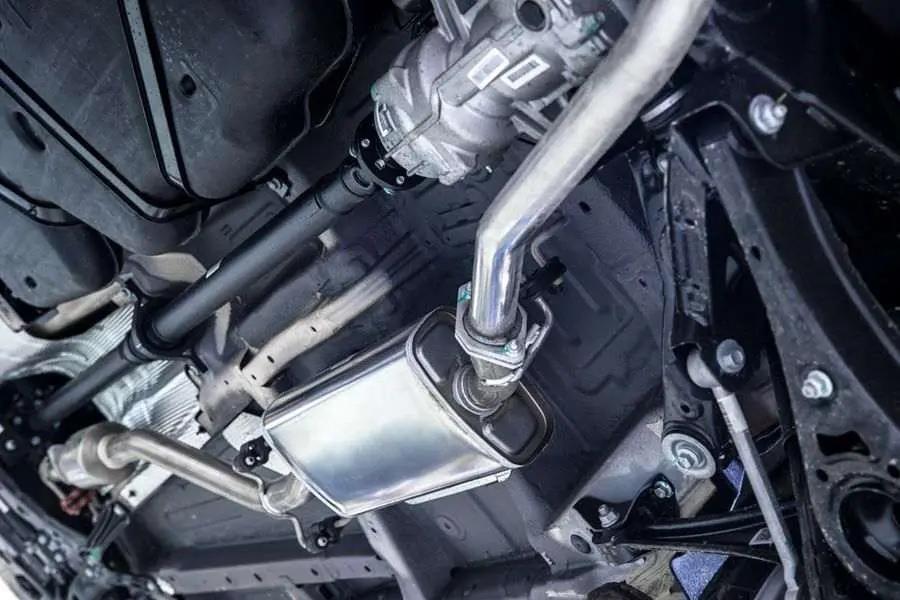
Loud or Rumbling Exhaust
A louder engine, rumbling, or rattling under the car often means an exhaust leak or a failing muffler.
Learn More
Light on?Let's find out why.
Make an appointment and tell us what's going on. We explain your options before any work begins.